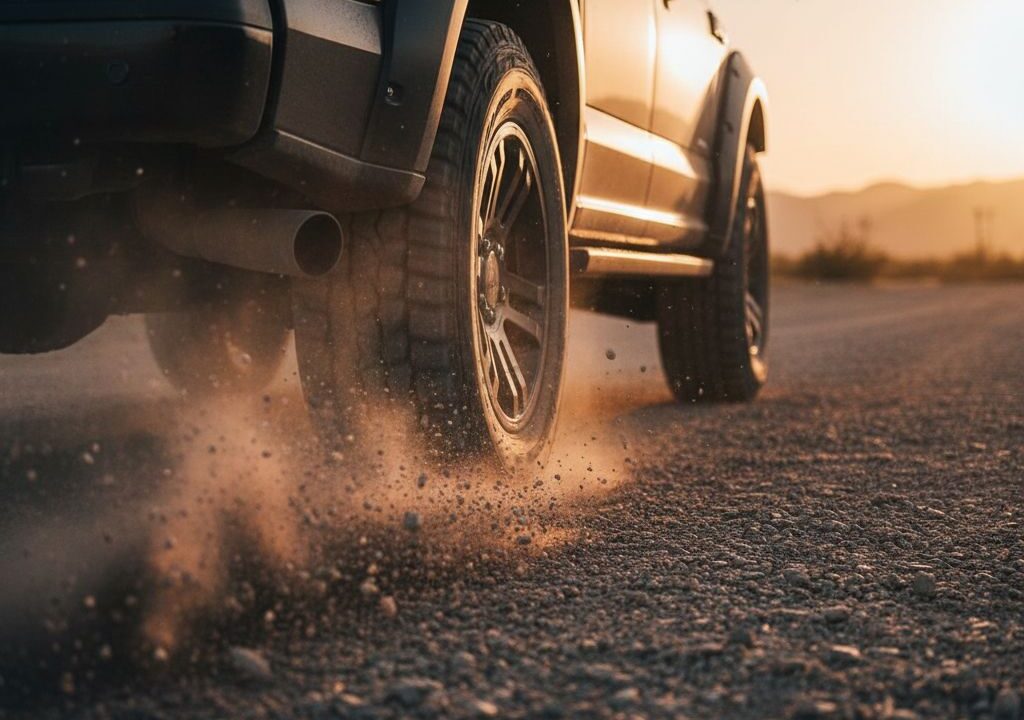
We all know that sound. You’re driving your rig down a gravel road, enjoying the torque of your new oversized tires, and then you hear it: CLACK-CLACK-PING.
That’s the sound of your expensive all-terrain tires picking up rocks and launching them like projectiles directly at your own rocker panels. It hurts to hear it because you know exactly what’s happening—your pristine paint job is getting sandblasted.
And it’s not just about paint chips. If you’ve recently lifted your truck or slapped on wider wheels with an aggressive offset, you might notice something else in your rearview mirror: blue lights.
In the world of truck customization, fender flares are often misunderstood as just “plastic decorations.” But ask any seasoned off-roader, and they’ll tell you the truth: they are armor. Whether you want to protect your investment, avoid a “fix-it” ticket, or just complete that aggressive stance, choosing the right flares is critical.
1. Why You Need Fender Flares (It’s Not Just Looks)
Before we debate styles, let’s talk about why you actually need to bolt these things onto your truck. It usually comes down to two reasons: Physics and The Law.
The “Sandblaster” Effect
Factory trucks are designed with tires that sit tucked neatly inside the wheel wells. But the moment you upgrade to wider tires or wheels with a negative offset (where the wheel pushes out), your tread starts to protrude past the bodywork.
This creates a direct line of fire from your tires to your door handles, mirrors, and rear fenders. Without heavy duty truck fender flares to catch that debris, you are effectively destroying your clear coat every time you leave the pavement. Rust loves exposed metal, and rock chips are the perfect invitation.
The “Poke” Police
Here is the hard truth many truck owners learn the expensive way: Tire Poke is illegal in many states.
“Tire Poke” is when your tire tread extends beyond the vehicle’s bodywork. In strict states like Pennsylvania or Utah, if a coin dropped from your fender hits the tire instead of the ground, you can fail inspection or get pulled over.
According to general lift laws and tire coverage regulations, your fender must cover the full width of the tire tread. Installing a set of wide flares isn’t just about looking tough; it’s often the only way to stay street-legal without swapping back to your skinny stock tires.
So, if you are browsing our exterior accessories and wondering where to start, check your tires first. If they stick out, you need flares.
3. Pocket / Rivet Style Flares: The “Beast Mode”
If your truck is lifted, sits on 35-inch mud tires, or has a negative wheel offset that pushes the tires out past the body, this is usually your best bet.
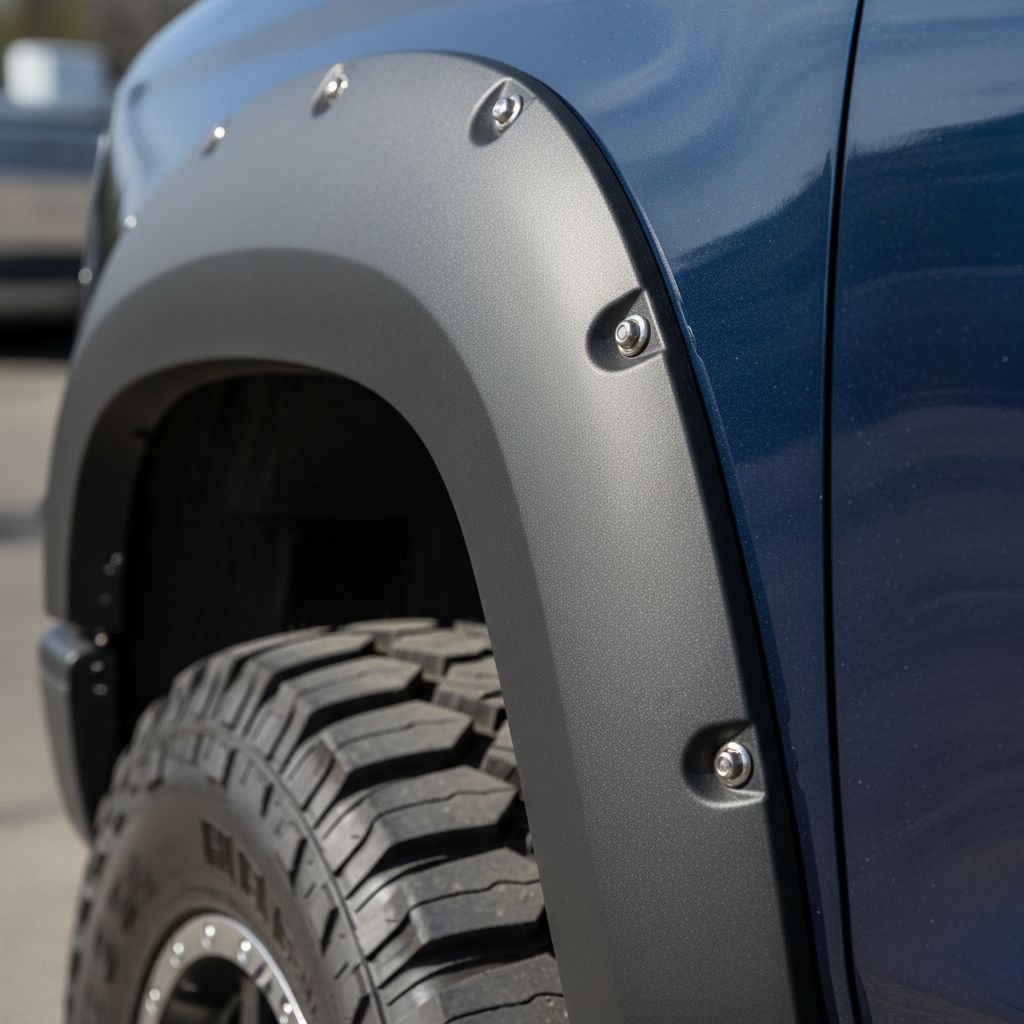
Pocket Style Fender Flares are the most aggressive option on the market. They are instantly recognizable by the stainless steel bolts (rivets) recessed into the plastic pockets along the flare.
The “No-Drill” Secret
Here is the question every first-time buyer asks me: “Do I have to drill holes in my brand new fenders to install those bolts?”
The Answer: NO. Those stainless steel bolts are purely decorative. They give you that “bolted-on,” industrial armor look without you having to take a drill bit to your sheet metal.
Why Choose Pocket Style?
- Maximum Coverage: These offer the most “tire coverage,” often adding 2.0 to 3.5 inches of width.
- The “Aggressive” Ecosystem: It visually widens the truck. If you are going for this tough, armored look, these flares match perfectly with aftermarket grilles and bumpers to complete the front-end transformation.
- Off-Road Protection: The wider profile catches more mud and rocks than any other style.
4. OE (Original Equipment) Style Flares: The “Clean” Look
Not everyone wants their truck to look like it’s ready for the Baja 1000. Sometimes, you just want it to look… correct.
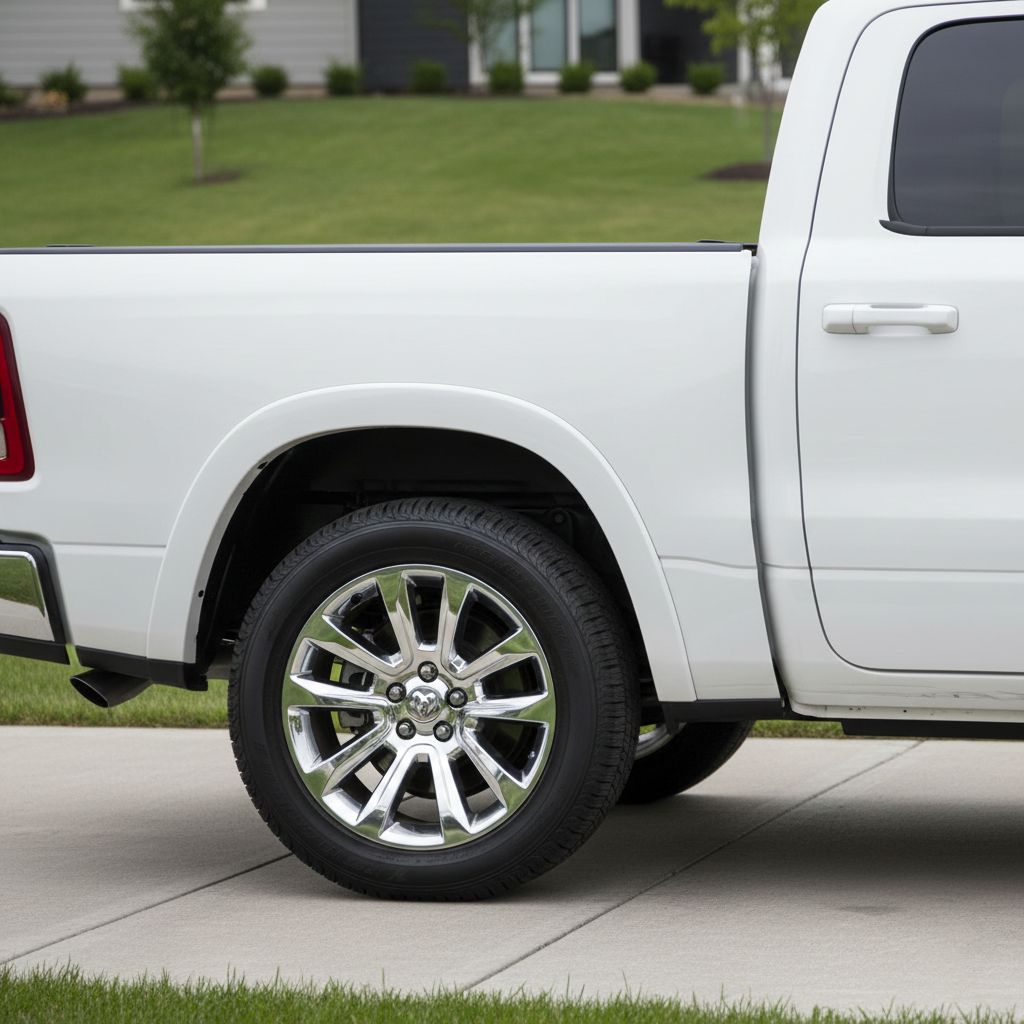
OE Style Fender Flares are designed to look like they came installed from the factory dealership. They feature smooth lines, no visible hardware, and a lower profile than the pocket style.
The “Rust Hider” Trick
As a mechanic, I install tons of these on older trucks (especially 2010-2018 models) that are starting to show the dreaded “wheel arch rot.”
If you are in the process of restoring an older truck, installing a set of OE style flares is a cost-effective hack to:
- Stop the rust from getting battered by more road salt.
- Hide the damage instantly, making the truck look 5 years newer without a body shop bill.
Why Choose OE Style?
- Subtle Upgrade: Perfect for stock-height trucks or leveling kits.
- Daily Driver Friendly: They provide extra protection without making the truck look overly modified.
- Paint Match Ready: While most come in matte black, their smooth surface is easier to paint-match to your body color.
5. Installation: Do I Need to Drill? (The #1 Myth)
This is the deal-breaker for most truck owners. You just paid $50,000+ for your Silverado or F-150, and the last thing you want to do is take a power drill to the sheet metal.
Good news: You (probably) don’t have to.
Most quality heavy duty truck fender flares—especially the Pocket Style ones—are designed as “No-Drill” applications. They utilize the existing factory holes inside the wheel well lip. We use specialized clips and automotive-grade hardware to secure them firmly without creating new holes that could rust later.
The “Rubber Seal” Step (Don’t Skip This!)
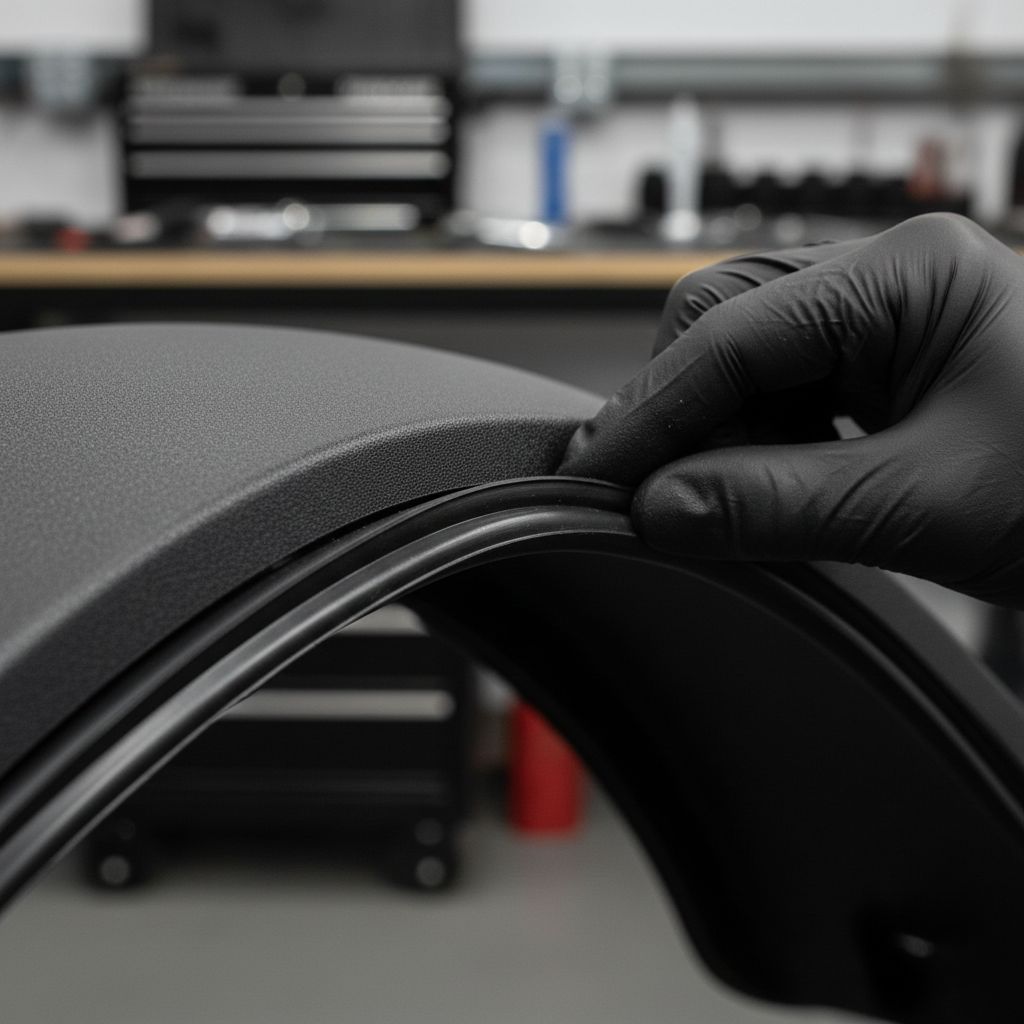
If you are DIY-ing this in your driveway, here is the mechanic’s tip that separates a pro job from a hack job: The Rubber Gasket.
Every good kit comes with a roll of rubber trim. You must install this along the upper edge of the flare where it touches your truck’s paint.
- Without the seal: The hard plastic vibrates against your paint as you drive, sanding it down to bare metal. Water gets in, and rust starts.
- With the seal: It creates a cushion, protects your clear coat, and keeps debris out.
6. Completing the “Lifted” Look (The Ecosystem)
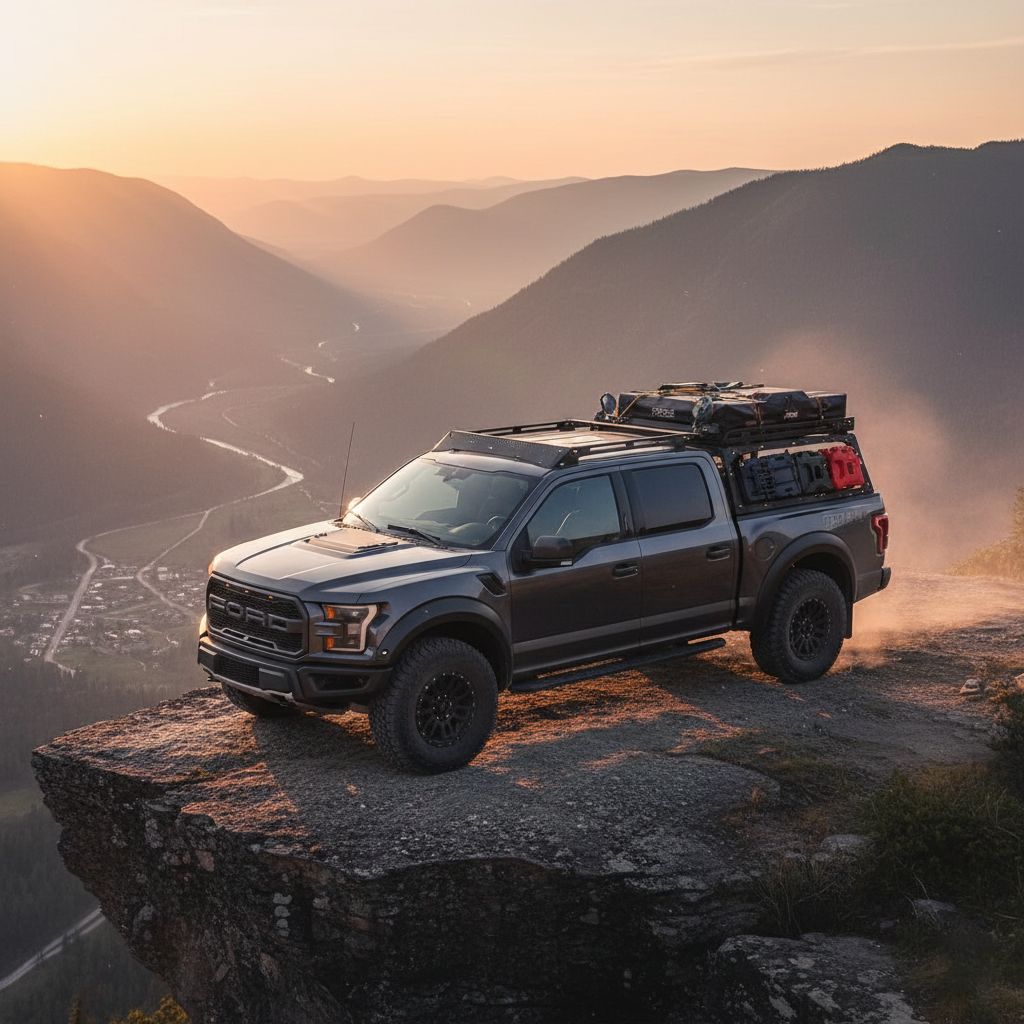
Let’s be real—if you are shopping for flares, your truck isn’t bone stock. You’ve likely got a lift kit and oversized tires. You are building a beast.
But a wider, taller truck creates new problems that you need to solve.
a. Can You Still Get In?
Pushing your wheels out creates an aggressive stance, but that lift kit makes climbing into the cab a workout. This is the perfect time to add a set of sidesteps and running boards. Not only do they save your knees, but they also protect your rocker panels from rock chips—doubling down on the protection your new flares provide.
b. The Weight Factor
Here is something most people forget: Big tires, heavy steel bumpers, and aggressive flares add weight. “Curb Weight” goes up, which means your “Payload” goes down. If you plan on hauling heavy loads with your new setup, you need to know your new limits. Check out our mechanic’s guide on Understanding Truck Payload Capacity to make sure your suspension can handle the work.
7. FAQ (The Mechanic’s Corner)
Q: Can I take my truck through an automatic car wash with fender flares?
A: Generally, yes—if they are installed correctly. Pocket Style flares are rigid and bolted on securely. However, I always recommend “Touchless” washes for modified trucks. Those spinning brushes in old-school washes can snag on the wide edge of a flare or wrap around your open tires.
Q: How do I know how much “coverage” I need?
A: Grab a tape measure. Place it against your fender lip and measure outward to the edge of your tire tread. If your tire sticks out 2 inches, you need a flare with at least 2 inches of coverage to stay street-legal and keep the mud off your windows.
Q: Can I paint them to match my truck?
A: Absolutely. Most heavy-duty flares come in a UV-resistant matte black finish, which looks great as-is. But they are made of ABS material that is ready for prep and paint. If you want that high-end “Sport” look, have a body shop color-match them before installation.
Conclusion
At the end of the day, installing a set of fender flares is one of the smartest upgrades you can make. It’s a rare “Triple Threat” mod:
- Legal: It keeps you from getting ticketed for tire poke.
- Protective: It stops rocks from sandblasting your paint.
- Style: It gives your truck that finished, wide-body stance.
Don’t let your tires destroy your fenders. Measure your offset, pick your style (Pocket or OE), and build your rig right with quality truck parts that fit.